At glance:
- Engine problems often show early warning signs, such as unusual noise, rough idling, or dashboard alerts, before a breakdown occurs.
- Diagnosis typically combines computer scanning with manual inspection to identify the specific failing component.
- Addressing issues early generally limits repair scope compared with waiting until a component fails completely.
A vehicle’s engine depends on dozens of interacting components, so most drivers eventually need professional diagnosis when performance changes. Recognizing symptoms early and understanding the diagnostic process helps vehicle owners in Kennewick, WA make informed decisions before small issues become costly failures.
Thorough auto engine repair in Kennewick typically starts with identifying the root cause rather than just addressing symptoms, since engines often signal trouble through indirect clues like fluid leaks, warning lights, or changes in exhaust smoke. A technician reviewing these clues can usually narrow down whether the issue involves fuel delivery, ignition timing, cooling, or internal wear before removing any parts.
Common Warning Signs Worth Monitoring
Engines rarely fail without warning. Paying attention to early symptoms can prevent a minor issue from turning into a major repair.
- Persistent check engine or oil pressure warning lights
- Knocking, ticking, or grinding sounds from under the hood
- Rough idling, stalling, or hesitation during acceleration
- Visible fluid leaks under the vehicle or burning smells while driving
- Noticeable drop in fuel efficiency without a clear cause
Any one of these signs on its own may not indicate a serious problem, but a combination of symptoms usually warrants prompt inspection. Vehicles driven regularly on Kennewick, WA roads, including stretches with sustained highway speeds and temperature swings between seasons, can experience accelerated wear on belts, hoses, and seals.
How Diagnostic Work Typically Proceeds
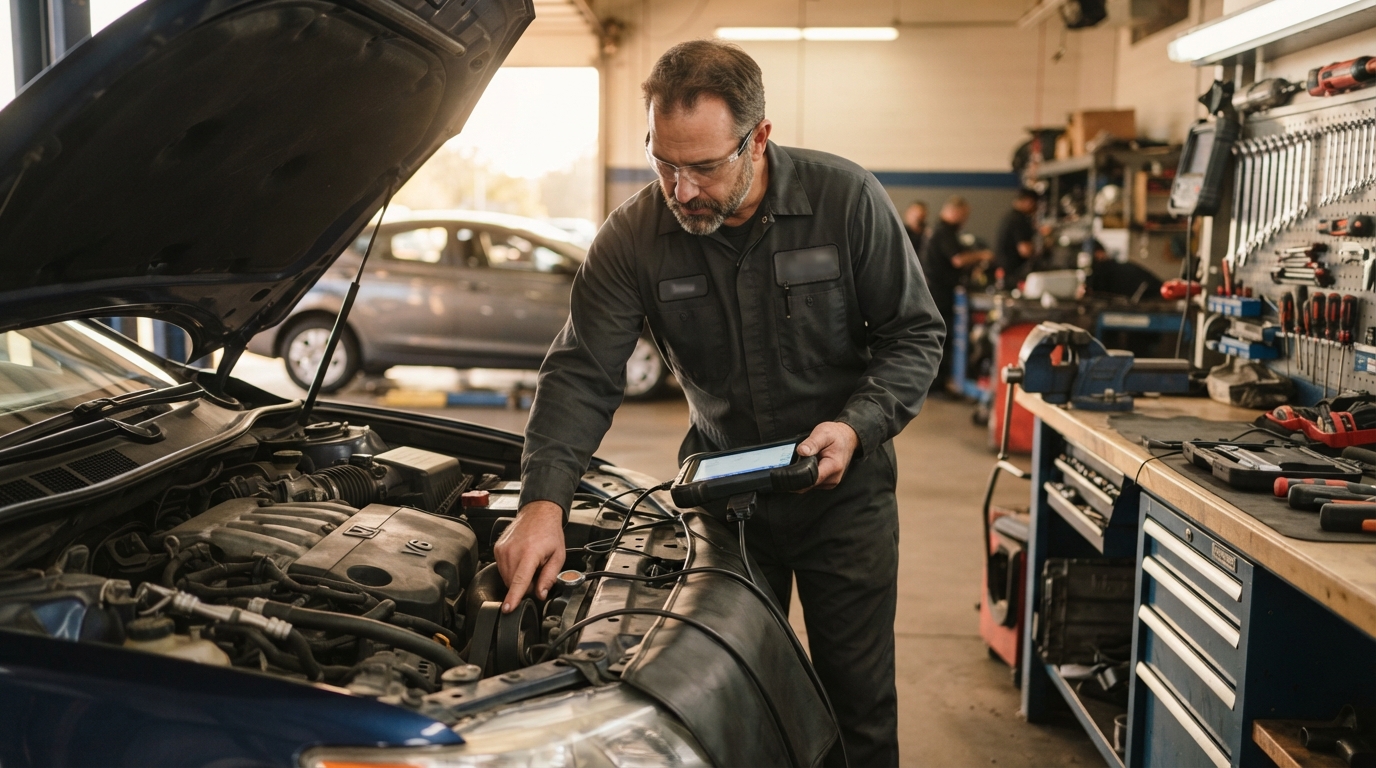
Modern engine diagnostics rely heavily on onboard computer systems paired with manual inspection techniques. According to the Environmental Protection Agency’s vehicle emissions guidance, onboard diagnostic systems are designed to monitor engine and emissions-related components continuously and alert drivers when values fall outside expected ranges.
A typical diagnostic sequence includes:
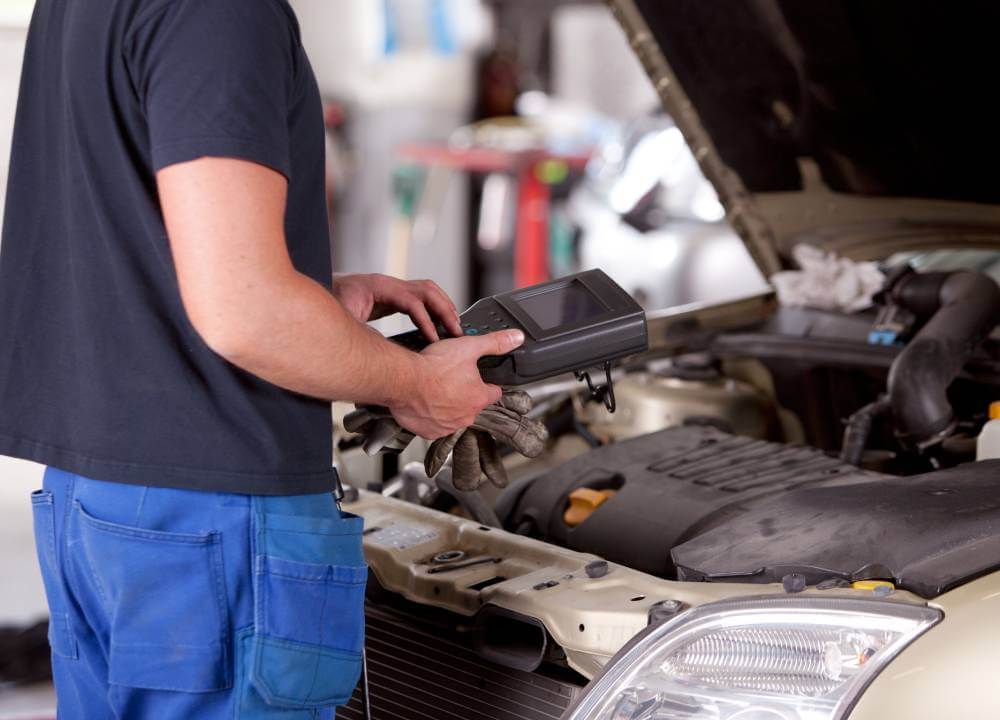
- Connecting a scan tool to retrieve stored trouble codes
- Visually inspecting belts, hoses, and fluid levels
- Testing compression or performing a leak-down test when internal wear is suspected
- Comparing sensor readings against manufacturer specifications
- Confirming the diagnosis with a road test when safe to do so
This structured approach reduces guesswork and helps avoid replacing parts that are not actually causing the problem.
Repair Scope and What Influences It
The extent of engine repair work depends on how far a problem has progressed before it was addressed. The table below outlines general categories of engine issues and how their scope typically compares.
| Issue Category | Example Problem | Typical Repair Scope |
| Minor sensor or wiring fault | Faulty oxygen sensor | Limited, single-component replacement |
| Fluid or seal failure | Valve cover gasket leak | Moderate, localized disassembly |
| Cooling system failure | Water pump or thermostat failure | Moderate to extensive, depending on overheating damage |
| Internal mechanical wear | Worn piston rings or bearings | Extensive, may require partial engine rebuild |
Vehicles that continue running after a warning light appears risk moving from the first category toward the more extensive end of this scale. Routine maintenance intervals, including oil changes and coolant checks, remain one of the more reliable ways to keep engines in the lower-scope categories longer.
Frequently Asked Questions
How long does engine diagnostic work usually take? Basic code retrieval can take under an hour, but a full diagnostic process involving compression testing or a road test may extend the visit depending on the suspected issue.
Can a vehicle still be driven with a check engine light on? It depends on the code and symptoms; a steady light may allow limited driving, while a flashing light generally indicates a more urgent problem that should be addressed before continuing to drive.
Does climate affect engine wear in Kennewick, WA? Seasonal temperature swings can stress cooling systems, belts, and seals, making periodic inspection useful for vehicles that see both hot summers and cold winters.
Is it normal for engine repair costs to vary significantly between shops? Costs can differ based on parts sourcing, labor rates, and the extent of diagnostic work required, so a written estimate before repairs begin is a reasonable expectation.
Business Information and Next Steps
Motoring Services Auto Repair serves customers across Kennewick, WA.
Readers can Get Help With Engine Performance Issues for published location and contact details.